http://insideclimatenews.org/news/20130618/what-sickens-people-oil-spills-and-how-badly-anybodys-guess
We saw many of my symptoms once you get into the article. Very informative.

The fight of small group of people in Northern Michigan against the oil and gas industry. All we want is it done safely and know the health hazards! Ah, the dreaded pink tape. Just two women who health has been so drastically changed since 2003 fighting the big boys and educating those who want to be educated and even those who don't.
Showing posts with label hydralic fracking. Show all posts
Showing posts with label hydralic fracking. Show all posts
Thursday, June 20, 2013
Sunday, January 20, 2013
SINKHOLE AND MICHIGAN
http://youtu.be/dIh28bYbpbQ
This could happen to us as well. Poke too many holes you get what you get.


Friday, December 2, 2011
Where the water went????
Thanks Amy, I found this on Wikipedia. Makes sense on where the water and whatever chemicals is going when it doesn't come back up.
http://en.wikipedia.org/wiki/Lost_circulation
Could this be an answer??
jaime
http://en.wikipedia.org/wiki/Lost_circulation
Could this be an answer??
jaime
News about Northern Michigan
I received some information about Michigan from my contact. My computer had gone down so I couldn't pass it on when I said I would, here it is.
Just the deep hydrofracking wells:
In Kalkaska, they were getting light oil with a lot of the water. In the Spring the company might do more on that well and possibly produce. Huh?
Now the disturbing fact and PA and NY read up::::::
In Wolverine (small town), all of a sudden "the drilling water they pumped down stopped coming back up. The workers felt like they were in a cavern. In a well down the road water (and what else) was put down the hole and there was NO WATER being pumped up" Activity on those wells has been halted I believe. WHERE IS THE WATER GOING IF IT DOESN'T COME BACK UP? They don't know why? hmmm, scary situation.
The 2 wells by Lake City are producing. None of this is verified except my source talks right with the guys on the rigs.
jaime
Northern Michigan
Just the deep hydrofracking wells:
In Kalkaska, they were getting light oil with a lot of the water. In the Spring the company might do more on that well and possibly produce. Huh?
Now the disturbing fact and PA and NY read up::::::
In Wolverine (small town), all of a sudden "the drilling water they pumped down stopped coming back up. The workers felt like they were in a cavern. In a well down the road water (and what else) was put down the hole and there was NO WATER being pumped up" Activity on those wells has been halted I believe. WHERE IS THE WATER GOING IF IT DOESN'T COME BACK UP? They don't know why? hmmm, scary situation.
The 2 wells by Lake City are producing. None of this is verified except my source talks right with the guys on the rigs.
jaime
Northern Michigan
Monday, May 9, 2011
Scientific study on water contamination-surprised? Heck no!
You got me first sharon LOL, but the info isn't. We knew that the water was contaminated. How many people have been sickened or died due to this lack of regulation of this industry. All shale deposits these companies have been tapping into, all the water is contaminated. My share capabilities are down so I just copied and past.
Our thoughts are wish you all.
jaime, joe, de, dan and john
Northern Michigan
Citizens Against Environmental Destruction
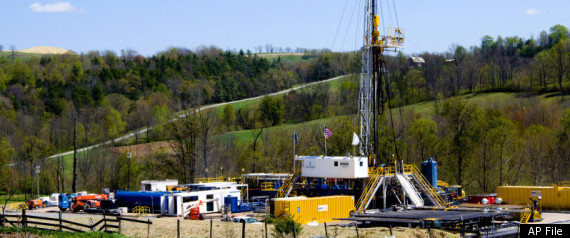
 From ProPublica's Abrahm Lustgarten:
For the first time, a scientific study has linked natural gas drilling and hydraulic fracturing with a pattern of drinking water contamination so severe that some faucets can be lit on fire.
The peer-reviewed study, published today in the Proceedings of the National Academy of Sciences, stands to shape the contentious debate over whether drilling is safe and begins to fill an information gap that has made it difficult for lawmakers and the public to understand the risks.
The research was conducted by four scientists at Duke University. They found that levels of flammable methane gas in drinking water wells increased to dangerous levels when those water supplies were close to natural gas wells. They also found that the type of gas detected at high levels in the water was the same type of gas that energy companies were extracting from thousands of feet underground, strongly implying that the gas may be seeping underground through natural or manmade faults and fractures, or coming from cracks in the well structure itself.
“Our results show evidence for methane contamination of shallow drinking water systems in at least three areas of the region and suggest important environmental risks accompanying shale gas exploration worldwide,” the article states.
The group tested 68 drinking water wells in the Marcellus and Utica shale drilling areas in northeastern Pennsylvania and southern New York State. Sixty of those wells were tested for dissolved gas. While most of the wells had some methane, the water samples taken closest to the gas wells had on average 17 times the levels detected in wells further from active drilling. The group defined an active drilling area as within one kilometer, or about six tenths of a mile, from a gas well.
The average concentration of the methane detected in the water wells near drilling sites fell squarely within a range that the U.S Department of Interior says is dangerous and requires urgent “hazard mitigation” action, according to the study.
The researchers did not find evidence that the chemicals used in hydraulic fracturing had contaminated any of the wells they tested, allaying for the time being some of the greatest fears among environmentalists and drilling opponents.
But they were alarmed by what they described as a clear correlation between drilling activity and the seepage of gas contaminants underground, a danger in itself and evidence that pathways do exist for contaminants to migrate deep within the earth.
“We certainly didn’t expect to see such a strong relationship between the concentration of methane in water and the nearest gas wells. That was a real surprise,” said Robert Jackson, a biology professor at Duke and one of the report’s authors.
Methane contamination of drinking water wells has been a common complaint among people living in gas drilling areas across the country. A 2009 investigation by ProPublica revealed that methane contamination from drilling was widespread, including in Colorado, Ohio and Pennsylvania. In several cases, homes blew up after gas seeped into their basements or water supplies. In Pennsylvania a 2004 accident killed three people, including a baby.
In Dimock, Pa., where part of the Duke study was performed, some residents’ water wells exploded or their water could be lit on fire. In at least a dozen cases in Colorado, ProPublica’s investigation found, methane had infiltrated drinking water supplies that residents said were clean until hydraulic fracturing was performed nearby.
The drilling industry and some state regulators described some of these cases as “anecdotal” and said they were either unconnected to drilling activity or were an isolated problem. But the consistency of the Duke findings raises questions about how unusual and widespread such cases of methane contamination may be.
“It suggests that at least in the region we looked, this is a more general problem than people expected,” Jackson told ProPublica.
For those who live in the midst of this problem, the report serves as long-awaited vindication. “We weren’t just blowing smoke. What we were talking about was the truth,” said Ron Carter, a Dimock resident whose water went bad when drilling began there in 2008 and was later tested as part of the study. “Now I’m happy that at least something helps prove out our theory.”
Methane is not regulated in drinking water, and while research is limited, it is not currently believed to be harmful to drink. But the methane is dangerous because as it collects in enclosed spaces it can asphyxiate people nearby, or lead to an explosion.
To determine where the methane in the wells they tested came from, the researchers ran it through a molecular fingerprinting process called an isotopic analysis. Water samples furthest from gas drilling showed traces of biogenic methane—a type of methane that can naturally appear in water from biological decay. But samples taken closer to drilling had high concentrations of thermogenic methane, which comes from the same hydrocarbon layers where gas drilling is targeted. That—plus the proximity to the gas wells—told the researchers that the contamination was linked to the drilling processes.
In addition to the methane, other types of gases were also detected, providing further evidence that the gas originated with the hydrocarbon deposits miles beneath the earth and that it was unique to the active gas drilling areas. Ethane, another component of natural gas, and other hydrocarbons were detected in 81 percent of water wells near active gas drilling, but in only 9 percent of water wells further away. Propane and butane were also detected in some drilling area wells.
The report noted that as much as a mile of rock separated the bottom of the shallow drinking water wells from the deep zones fractured for gas, and identified several ways in which fluids or the gas contaminants could move underground: The substances could be displaced by the pressures underground; could travel through new fractures or connections to faults created by the hydraulic fracturing process; or could leak from the well casing itself somewhere closer to the surface.
The geology in Pennsylvania and New York, they said, is tectonically active with faults and other pathways through the rock. They noted that leaky well casings were the most likely cause of the contamination, but couldn’t rule out long-range underground migration, which they said “might be possible due to both the extensive fracture systems reported for these formations and the many older, uncased wells drilled and abandoned.”
The water was also analyzed for signs that dangerous fluids from inside the gas wells might have escaped into water supplies. The group tested for salts, radium and other chemicals that, if detected, would have signaled that the produced water or natural fluids in the well’s target zone were making it to the aquifers. But those types of fluids were not found. The group did not test for fracking chemicals or hydrocarbons like benzene, relying instead on the saline or radioactive compounds like radium as indicators.
In an interview, Jackson said that gas was more likely to migrate underground than liquid chemicals. Based on his findings, he doesn’t believe the toxic chemicals pumped into the ground during fracturing are likely to end up in water supplies the same way the methane did. “I’m not ready to use the word impossible,” he said, “but unlikely.”
In a white paper the group issued along with the journal article, Jackson and the others acknowledged the uncertainty and called for more research. “Contamination is often stated to be impossible due to the distance between the well and the drinking water,” they wrote. “Although this seems reasonable in most (and possibly all) cases, field and modeling studies should be undertaken to confirm this assumption… Understanding any cases where this assumption is incorrect will be important—when, where, and why they occur—to limit problems with hydraulic fracturing operations.”
A hydrogeologist closely affiliated with the drilling industry raised questions about the study. "It's possible, assuming their measurements are accurate, that all they have done is document the natural conditions of the aquifer," said John Conrad, president of Conrad Geosciences in Poughkeepsie, N.Y. Conrad spoke with ProPublica at the suggestion of Energy In Depth, a drilling industry advocacy group, but said that he did not work for EID.
He said that the thermogenic methane -- which many scientists say comes from the same deep gas layers where drilling occurs -- could be naturally occurring. He also said the researchers didn't test enough wells to support their conclusions, though he could not say how many wells would have been appropriate.
Conrad said the most likely cause for the contamination identified by the Duke researchers -- that the gas was leaking out of faulty well casings -- seemed implausible.
"For their assumptions to hold up there would have to be more than just the occasional bad cement job," he said. "They are implying that where you see hydraulic fracturing you should expect to see elevated methane. We are aware of faulty cement jobs. But we don't believe that it is common and we certainly don't believe that it is universal."
The Duke study precedes a national study by the Environmental Protection Agency into the dangers of hydraulic fracturing that is expected to be finished sometime next year. Last year the EPA found that some chemicals known to be used in fracturing were among the contaminants detected in 11 residential drinking water wells in Pavillion, Wy.—where more than 200 natural gas wells have been drilled in recent years—but that investigation is continuing and the scientists haven’t concluded that the contamination is linked with drilling or hydraulic fracturing.
The release of the Duke research could immediately shape the increasingly intense public debate over drilling and hydraulic fracturing, especially in some of the areas where the research was conducted. Pennsylvania, which holds drilling companies liable for drinking water contamination within 1000 feet of a gas well, might consider the fact that the Duke researchers found the contamination extended to about 3,000 feet, Jackson said. New York State has a moratorium in place for hydraulic fracturing of horizontally-drilled wells—which cover more area and require more chemicals—through the end of June to allow for more consideration of the risks. “I would extend that at least temporarily,” Jackson said.
Congress, too, is taking note.
"This study provides eye-opening scientific evidence about methane contamination and the risks that irresponsible natural gas drilling poses for drinking water supplies,” said Congressman Maurice Hinchey, D-NY. “It provides yet another reason why more study of the environmental and health risks associated with hydraulic fracturing is needed."
Hinchey is one of several Democratic members of Congress who recently re-introduced the FRAC Act, which calls for public disclosure of the chemicals used underground. The bill, which is currently languishing in the House, would remove an exemption in federal law that prohibits the EPA from
Our thoughts are wish you all.
jaime, joe, de, dan and john
Northern Michigan
Citizens Against Environmental Destruction
Fracking Linked To Methane In Flammable Drinking Water For First Time In Scientific Study
First Posted: 05/ 9/11 05:46 PM ET Updated: 05/ 9/11 05:50 PM ET
React
Read more
For the first time, a scientific study has linked natural gas drilling and hydraulic fracturing with a pattern of drinking water contamination so severe that some faucets can be lit on fire.
The peer-reviewed study, published today in the Proceedings of the National Academy of Sciences, stands to shape the contentious debate over whether drilling is safe and begins to fill an information gap that has made it difficult for lawmakers and the public to understand the risks.
The research was conducted by four scientists at Duke University. They found that levels of flammable methane gas in drinking water wells increased to dangerous levels when those water supplies were close to natural gas wells. They also found that the type of gas detected at high levels in the water was the same type of gas that energy companies were extracting from thousands of feet underground, strongly implying that the gas may be seeping underground through natural or manmade faults and fractures, or coming from cracks in the well structure itself.
“Our results show evidence for methane contamination of shallow drinking water systems in at least three areas of the region and suggest important environmental risks accompanying shale gas exploration worldwide,” the article states.
The group tested 68 drinking water wells in the Marcellus and Utica shale drilling areas in northeastern Pennsylvania and southern New York State. Sixty of those wells were tested for dissolved gas. While most of the wells had some methane, the water samples taken closest to the gas wells had on average 17 times the levels detected in wells further from active drilling. The group defined an active drilling area as within one kilometer, or about six tenths of a mile, from a gas well.
The average concentration of the methane detected in the water wells near drilling sites fell squarely within a range that the U.S Department of Interior says is dangerous and requires urgent “hazard mitigation” action, according to the study.
Advertisement
But they were alarmed by what they described as a clear correlation between drilling activity and the seepage of gas contaminants underground, a danger in itself and evidence that pathways do exist for contaminants to migrate deep within the earth.
“We certainly didn’t expect to see such a strong relationship between the concentration of methane in water and the nearest gas wells. That was a real surprise,” said Robert Jackson, a biology professor at Duke and one of the report’s authors.
Methane contamination of drinking water wells has been a common complaint among people living in gas drilling areas across the country. A 2009 investigation by ProPublica revealed that methane contamination from drilling was widespread, including in Colorado, Ohio and Pennsylvania. In several cases, homes blew up after gas seeped into their basements or water supplies. In Pennsylvania a 2004 accident killed three people, including a baby.
In Dimock, Pa., where part of the Duke study was performed, some residents’ water wells exploded or their water could be lit on fire. In at least a dozen cases in Colorado, ProPublica’s investigation found, methane had infiltrated drinking water supplies that residents said were clean until hydraulic fracturing was performed nearby.
The drilling industry and some state regulators described some of these cases as “anecdotal” and said they were either unconnected to drilling activity or were an isolated problem. But the consistency of the Duke findings raises questions about how unusual and widespread such cases of methane contamination may be.
“It suggests that at least in the region we looked, this is a more general problem than people expected,” Jackson told ProPublica.
For those who live in the midst of this problem, the report serves as long-awaited vindication. “We weren’t just blowing smoke. What we were talking about was the truth,” said Ron Carter, a Dimock resident whose water went bad when drilling began there in 2008 and was later tested as part of the study. “Now I’m happy that at least something helps prove out our theory.”
Methane is not regulated in drinking water, and while research is limited, it is not currently believed to be harmful to drink. But the methane is dangerous because as it collects in enclosed spaces it can asphyxiate people nearby, or lead to an explosion.
To determine where the methane in the wells they tested came from, the researchers ran it through a molecular fingerprinting process called an isotopic analysis. Water samples furthest from gas drilling showed traces of biogenic methane—a type of methane that can naturally appear in water from biological decay. But samples taken closer to drilling had high concentrations of thermogenic methane, which comes from the same hydrocarbon layers where gas drilling is targeted. That—plus the proximity to the gas wells—told the researchers that the contamination was linked to the drilling processes.
In addition to the methane, other types of gases were also detected, providing further evidence that the gas originated with the hydrocarbon deposits miles beneath the earth and that it was unique to the active gas drilling areas. Ethane, another component of natural gas, and other hydrocarbons were detected in 81 percent of water wells near active gas drilling, but in only 9 percent of water wells further away. Propane and butane were also detected in some drilling area wells.
The report noted that as much as a mile of rock separated the bottom of the shallow drinking water wells from the deep zones fractured for gas, and identified several ways in which fluids or the gas contaminants could move underground: The substances could be displaced by the pressures underground; could travel through new fractures or connections to faults created by the hydraulic fracturing process; or could leak from the well casing itself somewhere closer to the surface.
The geology in Pennsylvania and New York, they said, is tectonically active with faults and other pathways through the rock. They noted that leaky well casings were the most likely cause of the contamination, but couldn’t rule out long-range underground migration, which they said “might be possible due to both the extensive fracture systems reported for these formations and the many older, uncased wells drilled and abandoned.”
The water was also analyzed for signs that dangerous fluids from inside the gas wells might have escaped into water supplies. The group tested for salts, radium and other chemicals that, if detected, would have signaled that the produced water or natural fluids in the well’s target zone were making it to the aquifers. But those types of fluids were not found. The group did not test for fracking chemicals or hydrocarbons like benzene, relying instead on the saline or radioactive compounds like radium as indicators.
In an interview, Jackson said that gas was more likely to migrate underground than liquid chemicals. Based on his findings, he doesn’t believe the toxic chemicals pumped into the ground during fracturing are likely to end up in water supplies the same way the methane did. “I’m not ready to use the word impossible,” he said, “but unlikely.”
In a white paper the group issued along with the journal article, Jackson and the others acknowledged the uncertainty and called for more research. “Contamination is often stated to be impossible due to the distance between the well and the drinking water,” they wrote. “Although this seems reasonable in most (and possibly all) cases, field and modeling studies should be undertaken to confirm this assumption… Understanding any cases where this assumption is incorrect will be important—when, where, and why they occur—to limit problems with hydraulic fracturing operations.”
A hydrogeologist closely affiliated with the drilling industry raised questions about the study. "It's possible, assuming their measurements are accurate, that all they have done is document the natural conditions of the aquifer," said John Conrad, president of Conrad Geosciences in Poughkeepsie, N.Y. Conrad spoke with ProPublica at the suggestion of Energy In Depth, a drilling industry advocacy group, but said that he did not work for EID.
He said that the thermogenic methane -- which many scientists say comes from the same deep gas layers where drilling occurs -- could be naturally occurring. He also said the researchers didn't test enough wells to support their conclusions, though he could not say how many wells would have been appropriate.
Conrad said the most likely cause for the contamination identified by the Duke researchers -- that the gas was leaking out of faulty well casings -- seemed implausible.
"For their assumptions to hold up there would have to be more than just the occasional bad cement job," he said. "They are implying that where you see hydraulic fracturing you should expect to see elevated methane. We are aware of faulty cement jobs. But we don't believe that it is common and we certainly don't believe that it is universal."
The Duke study precedes a national study by the Environmental Protection Agency into the dangers of hydraulic fracturing that is expected to be finished sometime next year. Last year the EPA found that some chemicals known to be used in fracturing were among the contaminants detected in 11 residential drinking water wells in Pavillion, Wy.—where more than 200 natural gas wells have been drilled in recent years—but that investigation is continuing and the scientists haven’t concluded that the contamination is linked with drilling or hydraulic fracturing.
The release of the Duke research could immediately shape the increasingly intense public debate over drilling and hydraulic fracturing, especially in some of the areas where the research was conducted. Pennsylvania, which holds drilling companies liable for drinking water contamination within 1000 feet of a gas well, might consider the fact that the Duke researchers found the contamination extended to about 3,000 feet, Jackson said. New York State has a moratorium in place for hydraulic fracturing of horizontally-drilled wells—which cover more area and require more chemicals—through the end of June to allow for more consideration of the risks. “I would extend that at least temporarily,” Jackson said.
Congress, too, is taking note.
"This study provides eye-opening scientific evidence about methane contamination and the risks that irresponsible natural gas drilling poses for drinking water supplies,” said Congressman Maurice Hinchey, D-NY. “It provides yet another reason why more study of the environmental and health risks associated with hydraulic fracturing is needed."
Hinchey is one of several Democratic members of Congress who recently re-introduced the FRAC Act, which calls for public disclosure of the chemicals used underground. The bill, which is currently languishing in the House, would remove an exemption in federal law that prohibits the EPA from
Sunday, April 17, 2011
Tuesday, September 14, 2010
Jaime in Michigan News
Hi Sharon,
It is actually my current husband who was on the freighters hauling that for 32 years. He thankfully retired right before he had to go back, partly because of me after all I have told him and what he has seen what I have to go through.
Might as well write my blog here now, just, oh I don't know how I feel. Actually 2 things happened.
The ENT said that with my exposure that he doesn't know why my vocal cords are closing off and stridoring but it is from the exposure. He said to talk real low when it happens but I can't even swallow so that went out the window. ER's are my future and they suck.
I believe in people getting their medical records.
THEN, I got my ER reports yesterday. I never had this happen before June with my throat stridoring or whatever it does. The ER DR. and NURSE had the nerve to say it was in my head in my records. IN MY HEAD. The head ER Dr. said there was no way a person could be allergic to 17 medications and have to wear that "silly mask". Couldn't believe my allergy testing (I carry part of my medical history with me because since stroke short term memory sucks) and he thought I was making it all up. I guess I forged the doctors and nurses names too OH!!!!! My own new Internal Medicine Dr. can't believe this has happened to someone(chemical exposure.) ( I found a nurse practioner who called me at home at 8 am when she heard we had a diesel spill in the bay by our house just to make sure I was ok. I think I should stick with her.)
Have they not seen the news and the levels they report in the Gulf Area? Oh I was livid. But we all are probably used to hearing it's in your head, I know we have, but I did have educated dr's until I had to move. I went right up to that hospital with my book and a handout and told the head of the ER, very diplomatically (but wanted to slap her) that they had better educate themselves because there are more people coming like me and they are out there especially with more wells coming near our small town.
THEN, we were picking grapes to get me out of the house Sunday and I got bit by something, didn't think anything of it because I was having such a fun time with Joe. I can't even imitate the sound (stridor) but we both heard it and he got me to the car, we were in the boonies and I pulled out the Epi pen, I've never used, and my husband did it like a pro. My cell phone was almost dead but he got thru to 911 and some Paramedic met us on the road and thank god had O2 and had an IV started before the Ambulance found us. Wheezes in all lungs fields after they opened me up (my dr. claims I don't have asthma I've had since 21 and I'm 53.) Come to find out after I got my medical records, I have lung scarring and some mass in my vocal cord area but I was told nothing was wrong since June. I have some abnormal blood tests, high CO2 levels but" NOTHING IS WRONG"
"but here are your steriods and don't hesitate to come back if you get worse"
Sharon, Sharon, Annie, Amy, Dot, all of you, Gasland has to OPEN here soon. I have Split Estate but I don't have the strength to put it on but hoping GASLAND opens soon.
These ignorant people, not stupid, but ignorant, have to be educated and I have been doing it wherever I go.
I now this is long but making it the short version.
My sister lives near where the explosion was, I think, as my family disowned me when I became sick, so I pray they weren't that close. As we all know it could happen anywhere with all the old pipelines all over.
Joe says I must be a strong woman to keep going no matter what the medical profession says but I don't feel so strong at the moment. I think of all the others out there worse off or just beginning this horrible journey. I guess that keeps me going. Educate
There, that was what I was going to Blog but a little longer than I planned. If it wasn't for ALL of you and your news and encouragement I don't know.....(will copy to my blog) Thanks Sharon, thank you.
jaime chimner
Cheboygan, Michigan
Near the Mackinac Bridge
Atop the Niagaran, Antrim, Collingwood and Utica Shales.
"Be the change that you want to see in the world" Mahatma Ghandi
I blog at oilandgasinnorthernmichigan.blogspot.com & myspace/bigoilinsmalltownamerica.com
-- On Fri, 9/10/10, Sharon Ward
From: Sharon Ward
Subject: Fwd: Coal ash connection to gas drilling
To: "Jaime"
Date: Friday, September 10, 2010, 4:36 PM
From: Sharon Ward <ssmartward@wildblue.net>
Date: Fri, Sep 10, 2010 at 3:22 PM
Subject: Re: Coal ash connection to gas drilling
To: Dotatwheelock@aol.com
Yep, They are Making Money Having Fun
It is actually my current husband who was on the freighters hauling that for 32 years. He thankfully retired right before he had to go back, partly because of me after all I have told him and what he has seen what I have to go through.
Might as well write my blog here now, just, oh I don't know how I feel. Actually 2 things happened.
The ENT said that with my exposure that he doesn't know why my vocal cords are closing off and stridoring but it is from the exposure. He said to talk real low when it happens but I can't even swallow so that went out the window. ER's are my future and they suck.
I believe in people getting their medical records.
THEN, I got my ER reports yesterday. I never had this happen before June with my throat stridoring or whatever it does. The ER DR. and NURSE had the nerve to say it was in my head in my records. IN MY HEAD. The head ER Dr. said there was no way a person could be allergic to 17 medications and have to wear that "silly mask". Couldn't believe my allergy testing (I carry part of my medical history with me because since stroke short term memory sucks) and he thought I was making it all up. I guess I forged the doctors and nurses names too OH!!!!! My own new Internal Medicine Dr. can't believe this has happened to someone(chemical exposure.) ( I found a nurse practioner who called me at home at 8 am when she heard we had a diesel spill in the bay by our house just to make sure I was ok. I think I should stick with her.)
Have they not seen the news and the levels they report in the Gulf Area? Oh I was livid. But we all are probably used to hearing it's in your head, I know we have, but I did have educated dr's until I had to move. I went right up to that hospital with my book and a handout and told the head of the ER, very diplomatically (but wanted to slap her) that they had better educate themselves because there are more people coming like me and they are out there especially with more wells coming near our small town.
THEN, we were picking grapes to get me out of the house Sunday and I got bit by something, didn't think anything of it because I was having such a fun time with Joe. I can't even imitate the sound (stridor) but we both heard it and he got me to the car, we were in the boonies and I pulled out the Epi pen, I've never used, and my husband did it like a pro. My cell phone was almost dead but he got thru to 911 and some Paramedic met us on the road and thank god had O2 and had an IV started before the Ambulance found us. Wheezes in all lungs fields after they opened me up (my dr. claims I don't have asthma I've had since 21 and I'm 53.) Come to find out after I got my medical records, I have lung scarring and some mass in my vocal cord area but I was told nothing was wrong since June. I have some abnormal blood tests, high CO2 levels but" NOTHING IS WRONG"
"but here are your steriods and don't hesitate to come back if you get worse"
Sharon, Sharon, Annie, Amy, Dot, all of you, Gasland has to OPEN here soon. I have Split Estate but I don't have the strength to put it on but hoping GASLAND opens soon.
These ignorant people, not stupid, but ignorant, have to be educated and I have been doing it wherever I go.
I now this is long but making it the short version.
My sister lives near where the explosion was, I think, as my family disowned me when I became sick, so I pray they weren't that close. As we all know it could happen anywhere with all the old pipelines all over.
Joe says I must be a strong woman to keep going no matter what the medical profession says but I don't feel so strong at the moment. I think of all the others out there worse off or just beginning this horrible journey. I guess that keeps me going. Educate
There, that was what I was going to Blog but a little longer than I planned. If it wasn't for ALL of you and your news and encouragement I don't know.....(will copy to my blog) Thanks Sharon, thank you.
jaime chimner
Cheboygan, Michigan
Near the Mackinac Bridge
Atop the Niagaran, Antrim, Collingwood and Utica Shales.
"Be the change that you want to see in the world" Mahatma Ghandi
I blog at oilandgasinnorthernmichigan.blogspot.com & myspace/bigoilinsmalltownamerica.com
-- On Fri, 9/10/10, Sharon Ward
From: Sharon Ward
Subject: Fwd: Coal ash connection to gas drilling
To: "Jaime"
Date: Friday, September 10, 2010, 4:36 PM
Jamie,
Read about your husband and coal, I went to the
coal ash/EPA meeting in Dallas Wed. Heart breaking
testifying from OK victims. So I googled MMHF as
I couldn't believe that name. Check out these links.
I haven't got to what your Dr. said yet, but it can't be good.
Your Friend,
Your Friend,
Sharon Ward
(Ward in the Woods)
---------- Forwarded message ----------From: Sharon Ward <ssmartward@wildblue.net>
Date: Fri, Sep 10, 2010 at 3:22 PM
Subject: Re: Coal ash connection to gas drilling
To: Dotatwheelock@aol.com
Yep, They are Making Money Having Fun
And the rest of us are dying.
I sent this and EPA chemical (she posted on that) also WY being the
first to disclose. Maybe she hasn't had time yet.
OMG did you see the gas explosion in CA?
Between that (big Nat'l coverage) and BP hopefully
the positive outcome will be more environmental interest.
S.W.
On Fri, Sep 10, 2010 at 2:24 PM, <Dotatwheelock@aol.com> wrote:Burnt coal waste and oil and gas waste together--they have themselves quite a deal going!! Terrible.
may want to send this to TxSharon for posting.
LJM
In a message dated 9/10/2010 1:30:41 P.M. Central Daylight Time, ssmartward@wildblue.net writes:
Hi all,Sending 2 important links,some of you may have already seen oneof them.Yes, Making Money Having Fun is the REAL name of theirfly ash/waste disposal pit, check it out.Sharon
Monday, August 2, 2010
It's a busy day it appears. I had an jaw dropping experience. One of my doctors just called me. Yesterday there was a Tugboat that had sunk in the Bay in Cheboygan. They had a rather large diesel spill. We had gone past it and the smell was very strong. There was a boom around the spill.
This morning my doctor calls me to see how I was doing. She had heard of the spill and wanted to make sure I was doing ok. She asked if we could leave the area for a couple days, which we can't afford to. I assured her I was staying inside with our air conditioner and air filtration system. How many doctors or health care professionals call their patients at home when they hear of a situation that could have put their patient in harms way?
I am astounded and so grateful!
Thought I would share that.
Jaime
Northern Michigan
This morning my doctor calls me to see how I was doing. She had heard of the spill and wanted to make sure I was doing ok. She asked if we could leave the area for a couple days, which we can't afford to. I assured her I was staying inside with our air conditioner and air filtration system. How many doctors or health care professionals call their patients at home when they hear of a situation that could have put their patient in harms way?
I am astounded and so grateful!
Thought I would share that.
Jaime
Northern Michigan
Michigan Wells-What are they thinking?
The reason that they are going to be putting in these wells in the collingwood/utica shale up here (in the upper part of the the Lower peninsula also know as Northern Michigan) is that they don't have to drill down as far. Maybe about 4000 feet because of a possible bubble. Only 4000 feet???? There is a pipeline fairly close so they don't have to run much pipe to run into the big pipeline. Now if they are fracking at this level, at high pressure, when it is normally around 9,000 feet, what will happen to that pipeline and our water aquifiers? Will we feel it on the surface? Geez o petes what the heck are we doing? Charlevoix and Cheboygan counties will be hit hard with these wells. Remember, there are no regulations in place for these types of wells in this State. From a DNRE officials mouth, they aren't sure what is going to happen.
We have someone keeping an eye on these kinds of things and progresses.
I understand that for the well in Wolverine, Michigan was told they couldn't use "our"water so they are also drilling their own water well. I have a feeling that water well might be near where they will be drilling and thus fracking?? See a problem in any of this?????
I see a problem.....
Jaime Long Chimner
Cheboygan, Mi
We have someone keeping an eye on these kinds of things and progresses.
I understand that for the well in Wolverine, Michigan was told they couldn't use "our"water so they are also drilling their own water well. I have a feeling that water well might be near where they will be drilling and thus fracking?? See a problem in any of this?????
I see a problem.....
Jaime Long Chimner
Cheboygan, Mi
TRAVERSE CITY FILM FESTIVAL-GASLAND
Wow, thanks Josh for inviting us to speak after the Gasland filming at the Traverse City Festival (In Northern Michigan).
There was a large crowd for the second showing in the festival and the q&a period after was great. It was so nice to meet people who were doing the same fight we were.
Joe and I made it. I got to give a short talk (ok, I talked alittle more LOL) and I was trying to hold myself up on the stage that I hope I sounded ok. Being in my RED ZONE I was feeling it physically but educating people on the oil and gas industry was more important than my aches and pains right then.
We felt like VIP's and Josh and his friend are so down to earth. We felt comfortable and with kindred spirits. Looking forward to seeing Josh possibly in Sept. and will continue to educate! TX Sharon even got a plug-you are great Sharon, everyone keep up the pace.
Trying.......
I am pumped up. I needed it.
jaime
Friday, July 16, 2010
Saturday, September 26, 2009
This Could Happen or Happening to us in MI- Open your EYES
Friday, September 25, 2009
Evaluation of Town of DISH, Texas Ambient Air Monitoring Analysis
Wilma Subra is a MacAuthur (Genius) Award winning chemist.
Evaluation of Town of DISH, Texas Ambient Air Monitoring Analysis
by Wilma Subra
Wolf Eagle Environmental sampled the ambient air in the Town of DISH, Texas at seven locations on August 17 to 18, 2009. The air sampled was analyzed for Volatile Organic Chemicals, Hazardous Air Pollutants, Tentatively Identified Compounds and NOX.
In the conclusion section of the report, Wolf Eagle stated
“Air analysis in the Town of DISH confirmed the presence in high concentrations of carcinogenic and neurotoxin compounds in ambient air near and/or on residential properties.” The report further indicated that many of the compounds in the air exceeded the Short-term and Long-term Effects Screening Levels (ESLs) according to Texas Commission on Environmental Quality (TCEQ) regulations.
The following is a compilation of the analytical results based on individual sampling locations.
The sample locations with the highest chemical concentrations and most chemicals present in concentrations exceeding TCEQ Short-term and Long-term Effects Screening Levels were
9203 Chisum - behind white barn 5 ft. and Airfield - corner SE.
The air sample from 9203 Chisum - behind white barn 5 ft. contained 10 chemicals that exceeded the TCEQ ESLs. Benzene, a known human cancer causing agent, was present in the second highest concentration of all stations sampled. The concentration of Benzene in the air exceeded the Long-term ESL by 8.7 times the standard. Carbon Disulfide was present in a concentration that exceeded the Short-term (10.7 times) and Long-term (107 times) ESLs by the largest factor of any of the chemicals detected at this station. 1,2,4-Trimethylbenzene was detected in the air at this station in the highest concentration of any station sampled. Xylenes (m & p), a neurotoxin, exceeded the Long-term ESl by a factor of 1.1 times. Naphthalene, a potential human carcinogen, exceeded the long-term ESL by a factor of 3.6 times. The other chemicals in the air at this station that exceeded the Short-term and Long-term ESLs were Carbonyl Sulfide (exceeded Long-term ESL), Trimethyl Benzene (exceeded Short-term and Long-term ESLs), and Diethyl Benzene, Methyl-methylethyl Benzene, and Tetramethyl Benzene (exceeded the Long-term ESLs).
The air sample from the Air Field - corner SE contained 8 chemicals that exceeded the TCEQ ESLs. Benzene, a known human cancer causing agent, was present in the highest concentration of all stations sampled. The concentration of Benzene in the air exceeded the Short-term ESL by 1.45 times and the Long-term ESL by 55 times the standard. The Benzene concentration at this sample location was more than 6 times the next highest benzene concentration (at 9203 Chisum). Xylenes (m & p), a neurotoxin, was present in the highest concentration of all stations sampled and exceeded the Long-term ESL by 2 times. Carbon Disulfide was present in a concentration that exceeded the Short-term (28 times) and Long-term (101 times) ESLs by the largest factor of any of the chemicals detected at this station. Methyl Pyridine and Dimethyl Pyridine, possible carcinogens, exceeded Short-term and Long-term ESLs. The other chemicals in the air at this location that exceeded Long-term ESLs were 1,2,4-Trimethyl Benzene, Carbonyl Sulfide, and Trimethyl Benzene.
The third highest ranking sample location was 9213 Chisum - 20 feet off property line and contained 5 chemicals that exceeded the TCEQ ESLs. Benzene, a known human cancer causing agent, was present in the third highest concentration of all stations sampled. Benzene in the air exceeded the Long-term ESL by a factor of 7.6 times. Dimethyl Disulfide was present in a concentration that exceeded the Short-term (38 times) and Long-term (384 times) ESLs by the largest factors of any of the chemicals detected at this station. Methyl Ethyl Disulphide and Ethyl Methylethyl Disulfide exceeded the Short-term and Long-term ESLs. Trimethyl Benzene exceeded the Long-term ESL.
The sample location Airfield - off yellow barn and rock rd.
contained three chemicals that exceeded the TCEQ ESLs. Dimethyl Sulfide was present in a concentration that exceeded the Short-term (3.7 times) and Long-term (37.5 times) ESLs by the largest factors of any of the chemicals detected at this station. Carbonyl Sulfide and Carbonyl Disulfide exceeded the Long-term ESLs.
The sample location Burgess Horse Ranch W. Prop. Line
contained one chemical that exceeded the TCEQ ESLs. Dimethyl Disulfide exceeded the Short-term (10 times) and Long-term (101 times) ESLs.
The sample locations 9217 Chisum - 20 ft. off property line s and Guthries Property W Prop Line by Pond contain
5 and 7 chemicals, respectively. None of the chemicals at either station location exceeded the TCEQ ESLs.
Benzene, a known human cancer causing agent, was detected at all 7 sample locations. Three sample locations exceeded TCEQ ESLs and four stations had concentrations of Benzene below TCEQ ESLs. Xylene (m & p) were detected at all 7 sample locations. Two sample locations exceeded TCEQ ESLs and five sample locations had concentrations of Xylene below TCEQ ESLs. Toluene was present at all 7 sample locations but the concentrations were below the TCEQ ESLs at each sample locations. These chemicals, Benzene, Toluene and Xylene, are the volatile organic compounds most associated with oil and gas activities.
The results of the ambient air testing in DISH detected a total of 16 volatile organic chemicals that exceeded TCEQ ESLs. The concentrations of the chemicals in the air were compared to the TCEQ ESLs and 5 of the sample locations had chemicals in concentrations that exceeded TCEQ ESLs. Sample location 9203 Chisum - behind white barn 5 ft had 10 chemicals detected in excess of ESLs and Airfield - corner SE had 8 chemicals detected in excess of ESLs. The cumulative effects of multiple chemicals in the ambient air at concentrations in excess of ESLs has not been evaluated.
The data from the report should be used to educate community members living in the area with the highest concentrations of chemicals and chemicals in excess of TCEQ ESLs in the air they are being exposed to.
Additional information provided by Subra: The concentration in the air exceed both short term and long term values. The concentrations not only exceed the standards but exceed the standards by a large amount. The concern is for both short term and long term health.
Acute impacts to health will occur with these concentrations of chemicals in the air. The cancer and neurotoxins will also have an impact over the long term.
TXsharon comment:
There Will Be Blood Cancer
The DISH study can be compared to any are in the Barnett Shale with drilling activity. The same chemicals will be present.

7 comments:
Subscribe to:
Comments (Atom)